


There are many ways to discover the Costa Brava, but few are as special as starting the day walking on the sand, listening to the sea and knowing that a beach recognised for the quality of its waters and surroundings awaits you.
In 2026, 27 beaches in the Girona region have renewed their Blue Flag status, an international recognition that highlights the environmental quality, safety, services and good management of these spaces.
From small coves surrounded by pine trees to long family-friendly beaches, the Costa Brava offers options for every taste. And staying at a campsite in Girona is one of the best ways to discover them at your own pace, combining beach days with fishing villages, routes along the Camí de Ronda and outdoor activities.
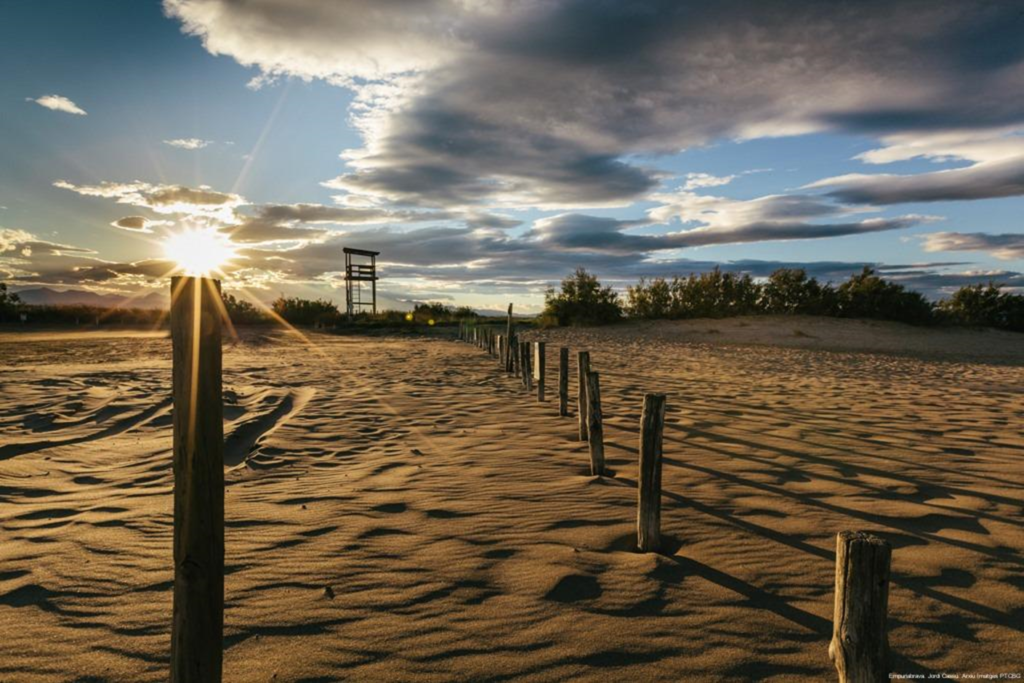
The Blue Flag is an international distinction promoted by the Foundation for Environmental Education (FEE) and awarded annually to beaches and marinas that meet demanding quality and management criteria.
To receive this recognition, beaches must meet requirements related to:
Choosing a Blue Flag beach is a good way to enjoy the coastline knowing that it meets internationally recognised standards.
These are the beaches in the Girona region that received the Blue Flag distinction in 2026.
The quality of the Girona coastline goes beyond its beaches. In 2026, the Costa Brava also has 9 marinas awarded the Blue Flag, a recognition that reflects the region’s commitment to quality, sustainability and good environmental management.
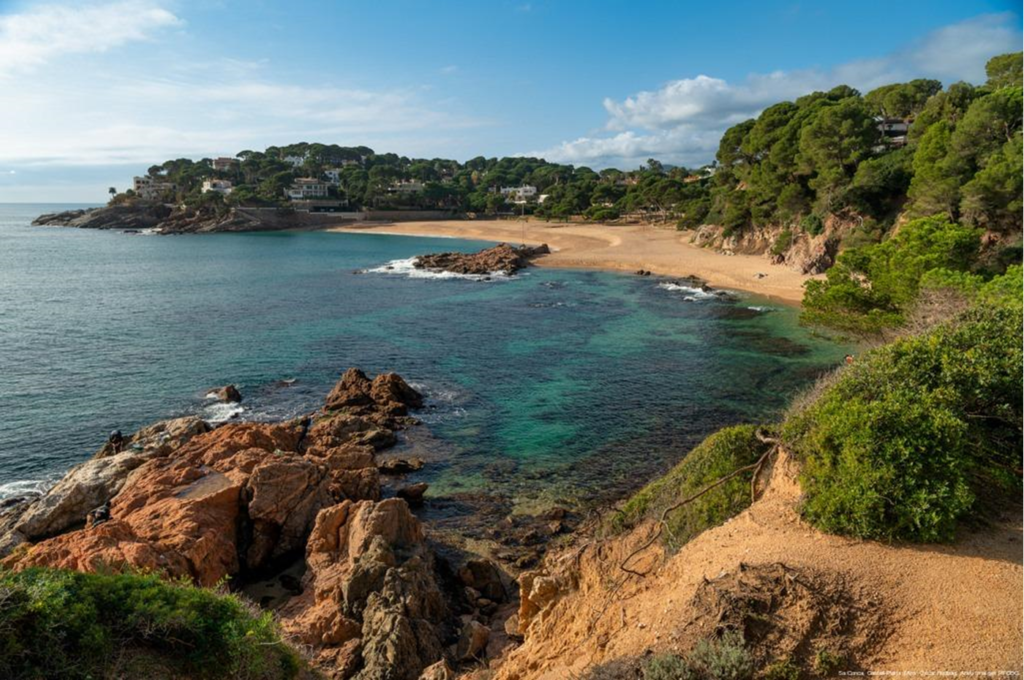
Blue Flag beaches are much more than a place to lay down your towel.
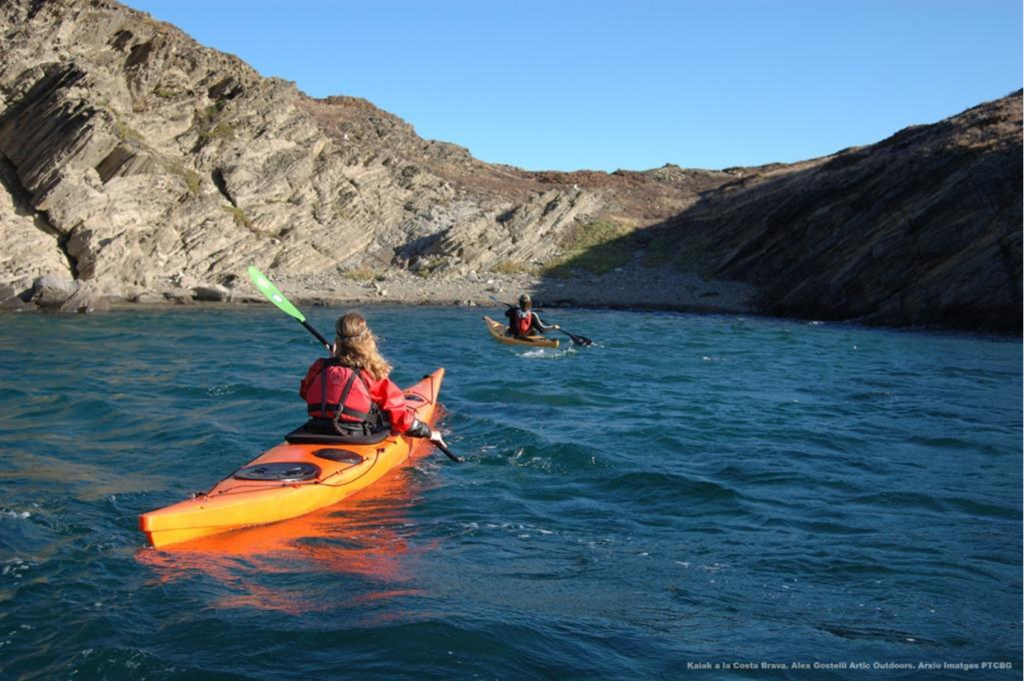
Many are located next to stretches of the Camí de Ronda, which allow you to discover the Costa Brava while walking between cliffs, pine forests and small coves. Others are ideal for snorkelling, paddleboarding, kayaking or simply enjoying the landscape from the water.
You can also complete your getaway by visiting fishing villages such as Calella de Palafrugell, Llafranc, Tossa de Mar or Sant Feliu de Guíxols, and discovering other iconic corners of the Costa Brava such as Cadaqués.
Discovering the Costa Brava means letting yourself be carried by the rhythm of the sea and understanding that the best memories often come from the simplest plans.
When planning a holiday on the Costa Brava, knowing that a beach has been awarded the Blue Flag is a guarantee of quality.
This recognition certifies that the area meets demanding criteria in aspects such as water quality, safety, services and environmental management. But it also means that these beaches work to preserve their surroundings and offer a pleasant experience both for visitors and for the people who live there.
Whether you are travelling with family, as a couple or with friends, these beaches are an excellent option for enjoying the Mediterranean with peace of mind.
A getaway to the Costa Brava is not just about spending a few hours at the beach. It is about waking up surrounded by nature, having breakfast outdoors and deciding whether that day you feel like discovering a hidden cove, walking along the Camí de Ronda or trying an activity at sea.
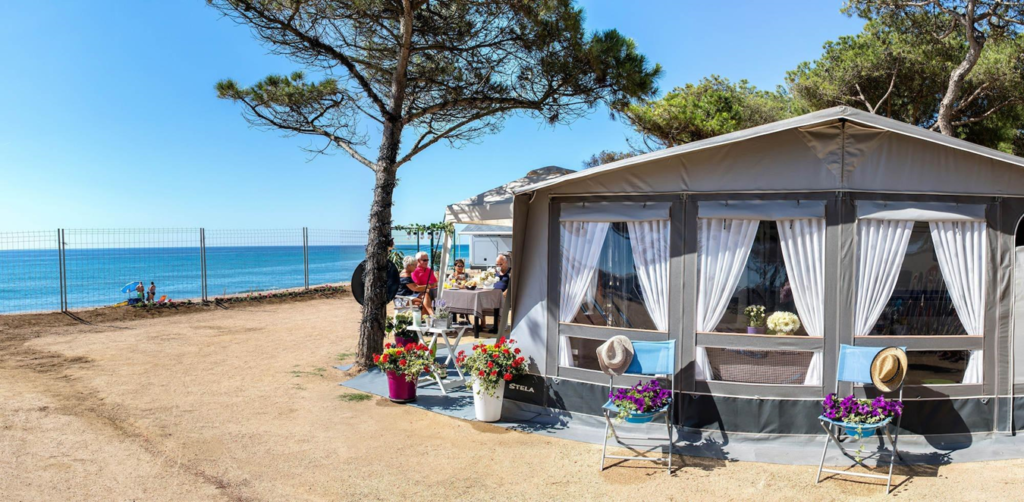
The campsites in Girona are the ideal starting point for enjoying this kind of experience. Several campsites in Girona are located close to Blue Flag beaches and allow you to combine days by the sea with hiking routes, gastronomy, charming villages and natural areas.
Whether you stay on a pitch, in a bungalow, mobile home or glamping accommodation, staying at a campsite gives you the freedom to organise each day at your own pace and make the most of everything the Costa Brava has to offer.
Blue Flag beaches are also the starting point for many activities that allow you to discover the Costa Brava from another perspective.
Some of the most recommended include:
In this way, each day becomes a combination of nature, sea and culture.
Preserving the beauty of the Costa Brava also depends on small gestures.
If you visit a Blue Flag beach, it is advisable to:
This helps us preserve these spaces so that they continue to be a benchmark for quality and sustainability.
It is an international distinction that recognises beaches that meet demanding criteria for water quality, safety, services, accessibility and environmental management.
In 2026, a total of 27 beaches in the Girona region received the Blue Flag distinction, maintaining the same figure as the previous year.
Yes, many can be a good option for families, as they have services, safety measures and information for bathers. Even so, it is advisable to check the characteristics and sea conditions of each beach before visiting.
Spring and September are ideal for enjoying a more relaxed atmosphere. Summer is also an excellent option, especially if you arrive early in the morning.
Staying at a campsite in Girona allows you to be very close to many Blue Flag beaches and combine days by the sea with activities such as hiking, kayaking, snorkelling or discovering the villages of the Costa Brava.