


A sardana danced in a village square, a habanera sung by the sea, or the hands of a craftsperson shaping a piece of pottery. Girona’s culture lives on in the traditions, crafts, landscapes and people that give its counties their identity.
From the Costa Brava to the Pyrenees, the region preserves a cultural heritage that goes far beyond monuments. Traditional festivals, gastronomy, historic villages and customs passed down from generation to generation are all part of a rich heritage worth discovering and preserving.
We invite you to explore Girona’s traditions and folk culture and find out how you can help keep them alive during your next getaway.
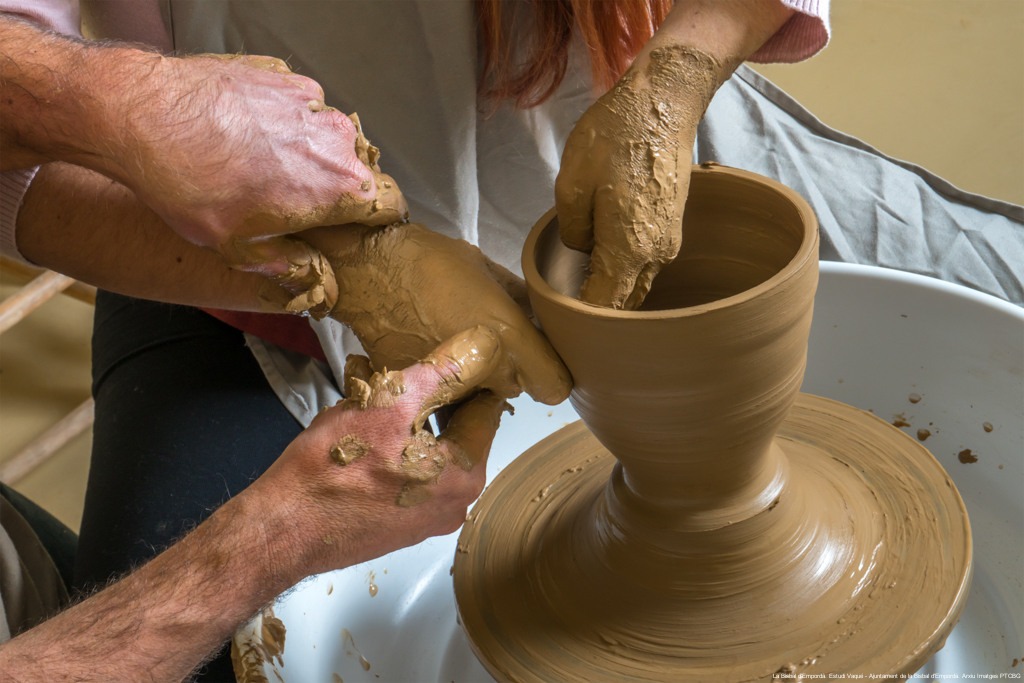
Girona’s cultural heritage is the result of centuries of history and the relationship between people and the land.
On the one hand, there is tangible heritage: castles, churches, archaeological sites, medieval villages and historic buildings. On the other, there is intangible heritage, made up of festivals, dances, songs, recipes and traditional knowledge.
This diversity gives each county its own identity. The maritime culture of the Costa Brava, the farming traditions of the Empordà and the crafts connected to forests and mountains all reflect different ways of living in and understanding the region.
Girona’s traditional festivals are among the best ways to experience local culture. These celebrations fill streets and squares and continue to bring different generations together.
Every 23 April, Sant Jordi transforms the streets of towns and villages into spaces filled with books and roses. It is a celebration of literature, culture and tradition.
Sardanes, danced in circles to the music of a traditional cobla band, are also part of Catalan folk culture and have a particularly strong presence in Girona’s counties.
Local festivals are another expression of Girona’s folk culture. Giants, big-headed figures, correfocs (fire runs) and human-tower performances fill the streets with music, fire and tradition. Castellers, who build human towers through strength, balance and teamwork, show how culture stays alive through the participation of different generations. The Fires de Sant Narcís in Girona are one of the best-known examples.
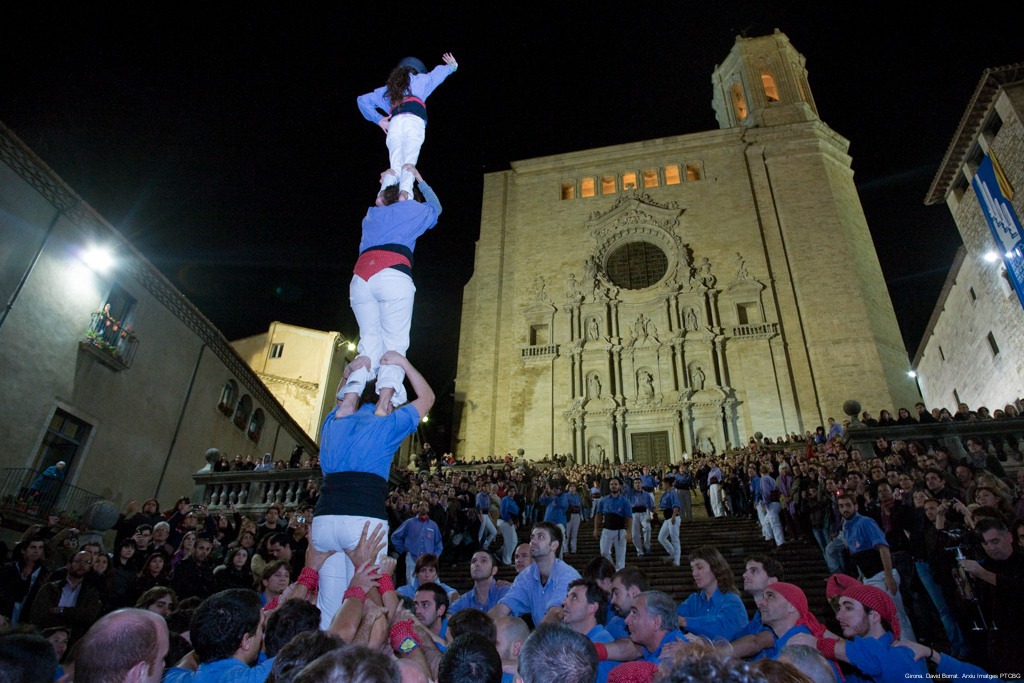
In Verges, the Dance of Death (Dansa de la Mort) is one of the most emblematic moments of the Maundy Thursday procession, a tradition of medieval origin that is still alive today.
On the Costa Brava, the Calella de Palafrugell Habanera Singing Festival recalls the region’s connection to the sea and its maritime history.
When autumn arrives, the Castanyada brings roasted chestnuts, panellets (traditional sweets) and sweet potatoes to the table. Some campsites also combine this celebration with Halloween through their Castaween activities.

Culture is also preserved through trades and skills passed down between generations.
La Bisbal d’Empordà pottery is one of the most representative examples. Walking through the town’s streets, visiting craft workshops or exploring the Terracotta Museum reveals a tradition closely linked to local identity.
In the Gavarres, the cork-making tradition reflects the relationship between cork oak forests and the economic activities that have shaped the area’s history. The Cork Museum of Catalonia in Palafrugell offers an opportunity to learn more about this heritage.
Visiting these places and buying locally made crafts is a way to appreciate the work of artisans and help keep traditional trades alive.
Gastronomy is also part of the cultural heritage of Girona’s counties. Every product and recipe tells part of the region’s story.
Girona xuixo pastries, suquet de peix (fish stew), Santa Pau beans, Pals rice and wines from the DO Empordà are among the region’s most representative flavours.
Behind these products are farmers, fishers, producers and recipes passed down from generation to generation.
During your getaway, take the opportunity to visit local markets, small producers, wineries and traditional restaurants. Discovering local gastronomy is a way to get to know the region and support the people who work there.
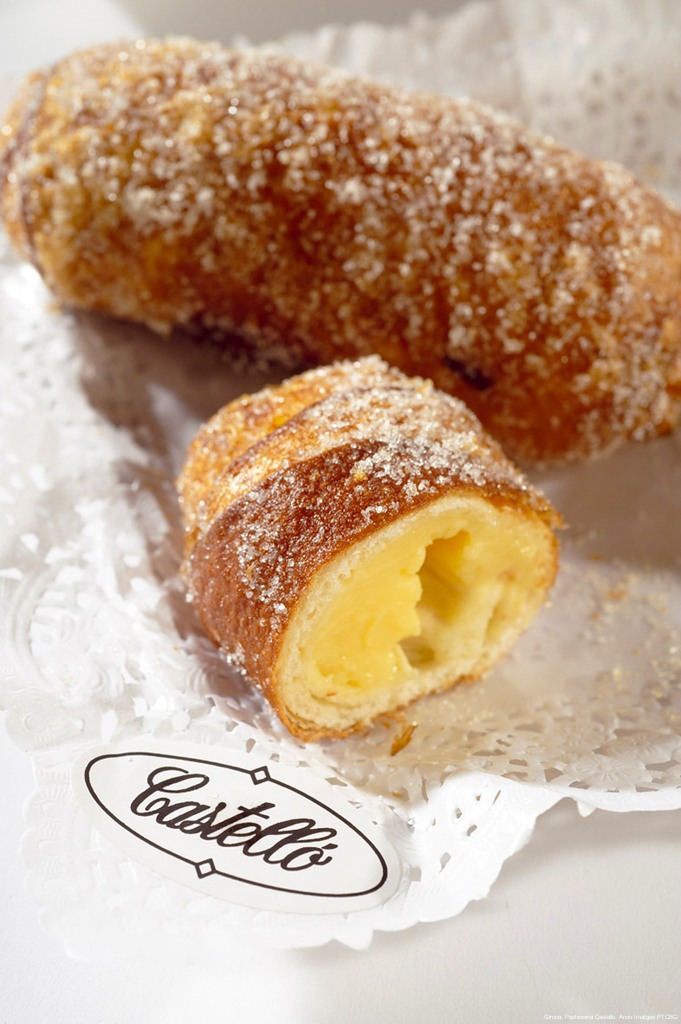
You can also discover Girona’s history by walking through its villages.
Besalú, Peratallada, Pals and Monells have preserved cobbled streets, squares and buildings that offer a glimpse of life in times gone by.
In the Pyrenees, mountain villages and Romanesque churches tell another part of the history of Girona’s counties.
But heritage is not limited to buildings. Ancient paths, dry-stone structures, agricultural landscapes and fishermen’s huts also bear witness to the relationship between people and their surroundings.
Exploring these places is an opportunity to understand how culture and landscape have shaped each other over the centuries.
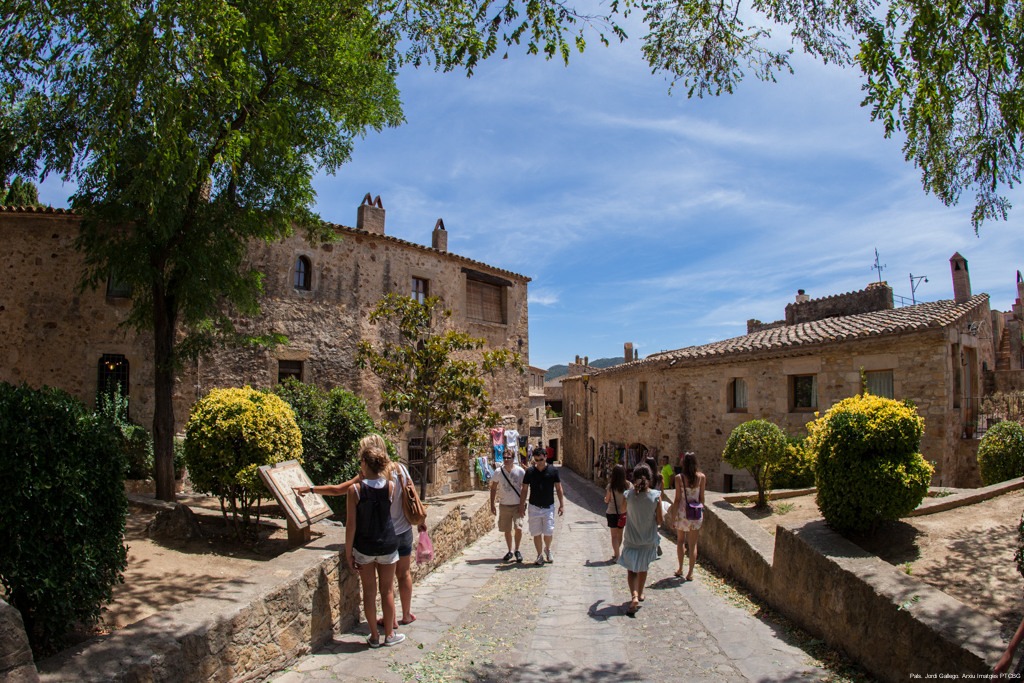
Preserving cultural heritage means protecting a community’s history, identity and knowledge so that future generations can discover them too.
Visitors can also play a part.
Taking part in local festivals respectfully, visiting museums, buying local products, exploring craft workshops and respecting heritage sites are small actions that help support local culture.
Because preserving traditions does not mean leaving them stuck in the past, but allowing them to remain part of the present.
A stay at Girona’s campsites can be much more than a few days of relaxation. It can also be an opportunity to discover a traditional craft, join a local festival or explore a village with centuries of history.
Located between the Costa Brava and the Pyrenees, campsites offer an ideal starting point for exploring the region and combining nature, gastronomy and cultural activities in Girona.
Imagine starting the morning at a local market, visiting a medieval village, tasting a traditional dish and returning to your campsite to relax surrounded by nature.
Whether you travel with family, as a couple or with friends, staying at a campsite lets you discover Girona at your own pace and take time to explore what makes each destination special.
Explore the campsites in Girona, choose your accommodation and plan a getaway to discover the region’s culture, traditions and stories.
Because getting to know Girona is also a way to help preserve its essence.
Among Girona’s folk traditions, highlights include sardanes, the Dance of Death in Verges, the habaneras of Calella de Palafrugell, the Fires de Sant Narcís and the Castanyada. These celebrations are part of the region’s cultural identity.
You can visit medieval villages, explore museums, take part in local festivals, discover craft workshops and enjoy gastronomic experiences. Girona’s counties offer cultural activities throughout the year.
Girona’s cultural heritage includes Girona’s historic Old Quarter, the medieval villages of Besalú and Peratallada, Romanesque churches in the Pyrenees and museums such as the Cork Museum of Catalonia and the Terracotta Museum.
Preserving cultural heritage keeps the history, traditions and identity of Girona’s counties alive. It also helps pass knowledge on to future generations and ensures the continuity of traditional trades.
We can help by taking part in local festivals respectfully, visiting museums and craft workshops, buying local products and supporting local businesses. Exploring the region with curiosity and respect is a way to appreciate its heritage.